
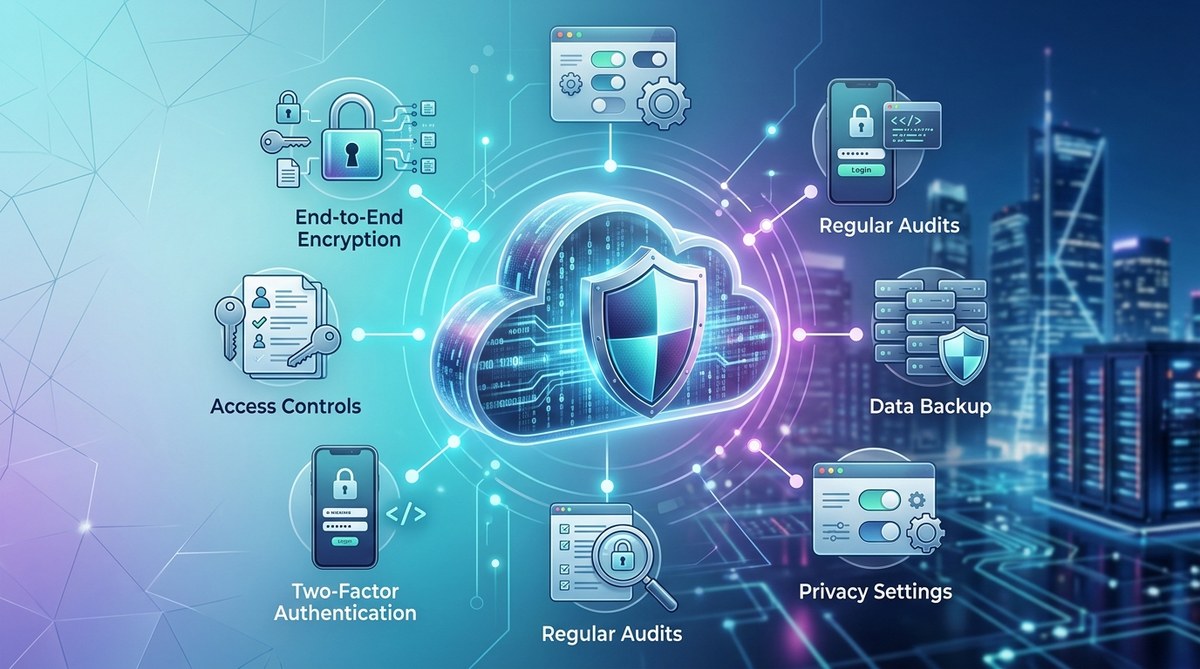
Protecting sensitive data in cloud storage is more critical than ever. As organizations increasingly rely on cloud solutions, safeguarding privacy becomes a top priority. Data breaches, unauthorized access, and compliance violations can have serious consequences. This guide walks you through practical strategies to enhance data privacy in cloud environments, helping you stay ahead of threats and build trust with your clients and stakeholders.
Securing data privacy in cloud storage involves understanding your responsibilities, implementing strong technical controls, and maintaining vigilant monitoring. By following best practices like encryption, access control, and regular audits, organizations can protect sensitive information effectively and comply with data privacy laws.
Why Data Privacy in Cloud Storage Matters
Moving data to the cloud offers many benefits, such as scalability and flexibility. However, it also introduces new risks. Data stored in the cloud can be targeted by cybercriminals or mishandled by internal teams. Without proper controls, sensitive information like customer data, financial records, or intellectual property could be exposed or lost.
Ensuring data privacy in cloud storage isn’t just about avoiding breaches. It also involves complying with regulations like GDPR, CCPA, or HIPAA. These laws require organizations to protect personal data and provide transparency about data handling. Failing to do so can lead to hefty fines and damage to your reputation.
Key Principles for Protecting Data Privacy in Cloud Environments
To effectively safeguard data privacy, focus on these core principles:
- Data minimization: Collect only what’s necessary.
- Access control: Limit access to authorized users.
- Encryption: Protect data both at rest and in transit.
- Regular audits: Check for vulnerabilities and compliance.
- User training: Educate staff on security best practices.
Applying these principles helps create a robust security posture that shields sensitive information from threats.
Practical Steps to Enhance Data Privacy in Cloud Storage
Follow this structured approach to strengthen your data privacy defenses:
1. Understand your responsibilities
Clarify what your cloud provider covers and what remains your duty. Cloud providers typically secure the infrastructure but expect you to manage access, data encryption, and compliance. Conduct a thorough risk assessment to identify sensitive data, potential vulnerabilities, and compliance requirements.
2. Implement robust encryption practices
Encryption is your first line of defense. Ensure that data is encrypted both when stored (data at rest) and when it moves across networks (data in transit). Use strong algorithms like AES-256 and manage encryption keys securely. Consider customer-managed keys if your provider supports it for added control.
3. Control access with identity and access management
Limit access to sensitive data by enforcing strict identity controls. Use multi-factor authentication for all users accessing your cloud environment. Apply the principle of least privilege, giving users only the permissions they need to perform their tasks. Regularly review access logs and revoke unnecessary permissions.
4. Automate security and compliance checks
Set up automated scans for misconfigurations or vulnerabilities. Many cloud platforms offer tools that continuously monitor your environment. Use these to catch issues early and prevent data leaks. Regular audits and compliance checks ensure you meet legal standards and internal policies.
5. Educate your team on data privacy
Your staff plays a vital role. Conduct regular training sessions on security best practices and phishing awareness. Make sure everyone understands their role in safeguarding data privacy. Clear policies and procedures help prevent accidental leaks or mishandling.
6. Monitor and respond to incidents
Implement real-time monitoring tools that alert you to suspicious activity. Have an incident response plan in place. Quick action can limit damage if a breach occurs. Keep detailed logs of all activities for forensic analysis and compliance reporting.
7. Use advanced security features
Leverage additional security tools offered by your cloud provider, such as:
- Object lock to prevent data deletion
- Data masking for sensitive info
- Secure APIs for integrations
- Virtual private clouds for network isolation
These features add extra layers of protection to your data.
8. Maintain compliance and documentation
Stay up-to-date with relevant regulations and document your data handling processes. Regularly review your privacy policies and controls. This transparency builds trust and simplifies audits.
9. Prepare for data breaches
Have a clear plan to respond swiftly to a data breach. Include steps for containment, investigation, notification, and remediation. Conduct simulated exercises to ensure your team is ready.
10. Plan for data lifecycle management
Define how long you keep data and when to delete it. Regularly review stored data and remove what’s no longer needed. Proper lifecycle management limits exposure and helps meet compliance standards.
Common Pitfalls and How to Avoid Them
| Mistake | Explanation | How to Avoid |
|---|---|---|
| Inadequate encryption | Data is stored or transmitted without proper encryption | Always encrypt data with strong algorithms and manage keys securely |
| Excessive permissions | Users have more access than necessary | Follow the principle of least privilege and review access regularly |
| Ignoring compliance | Failing to meet legal data privacy standards | Keep up with relevant regulations and document your compliance efforts |
| Poor monitoring | Lack of real-time alerts for suspicious activity | Use automated monitoring tools and set up alerts for anomalies |
| Insufficient training | Staff unaware of security best practices | Conduct ongoing security awareness programs |
“A proactive approach to data privacy is the best defense against breaches. Regularly reviewing controls and educating your team can save you from costly incidents.”
Techniques and Mistakes in Data Privacy Management
| Techniques | Mistakes to Avoid |
|---|---|
| Encrypting data at rest and in transit | Forgetting to encrypt data or using weak algorithms |
| Implementing multi-factor authentication | Relying solely on passwords without additional verification |
| Regular security audits | Neglecting to review configurations or permissions |
| Using role-based access control | Assigning broad permissions to all users |
| Keeping detailed logs | Failing to monitor or analyze activity logs |
Final Tips for Keeping Data Safe in the Cloud
- Always stay informed about new security features and updates from your provider.
- Conduct periodic security assessments and penetration tests.
- Keep software and tools up-to-date.
- Develop a culture of security within your team.
- Remember that data privacy is ongoing, not a one-time setup.
Staying Ahead in Data Privacy and Cloud Security
Protecting your data privacy in cloud storage requires ongoing effort and vigilance. By understanding your responsibilities, applying strong technical controls, and fostering a security-aware culture, you create a resilient environment. Implementing these best practices helps you comply with regulations and builds confidence with your clients.
Keeping data safe is a shared responsibility. Take proactive steps today to secure your cloud environment and ensure your sensitive information remains confidential. Building this foundation not only protects your organization but also strengthens your reputation in a data-driven world.